Buy amaronilogistics.eu ?
We are moving the project
amaronilogistics.eu .
Are you interested in purchasing the domain
amaronilogistics.eu ?
domain@kv-gmbh.de · 0541-91531010
Buy amaronilogistics.eu ?
What is better: open-ended questions or surveys?
Open-ended questions and surveys both have their own advantages and disadvantages. Open-ended questions allow for more detailed and nuanced responses, providing deeper insights into the respondent's thoughts and feelings. On the other hand, surveys provide a structured format for gathering specific information from a larger sample size, making it easier to analyze and compare data. Ultimately, the choice between open-ended questions and surveys depends on the specific research goals and the type of information being sought. Both methods can be valuable tools for gathering information, and the best approach will depend on the specific needs of the research project. **
What is your opinion on open-ended questions?
I believe open-ended questions are valuable because they encourage deeper thinking and more detailed responses. They allow for a more natural and unrestricted conversation, giving the respondent the opportunity to express their thoughts and feelings in their own words. Open-ended questions also provide the opportunity for the interviewer to gain a better understanding of the respondent's perspective and experiences. Overall, I think open-ended questions are essential for fostering meaningful communication and gaining valuable insights. **

Similar search terms for Open-ended questions
Top-Angebote
Products related to Open-ended questions:
-
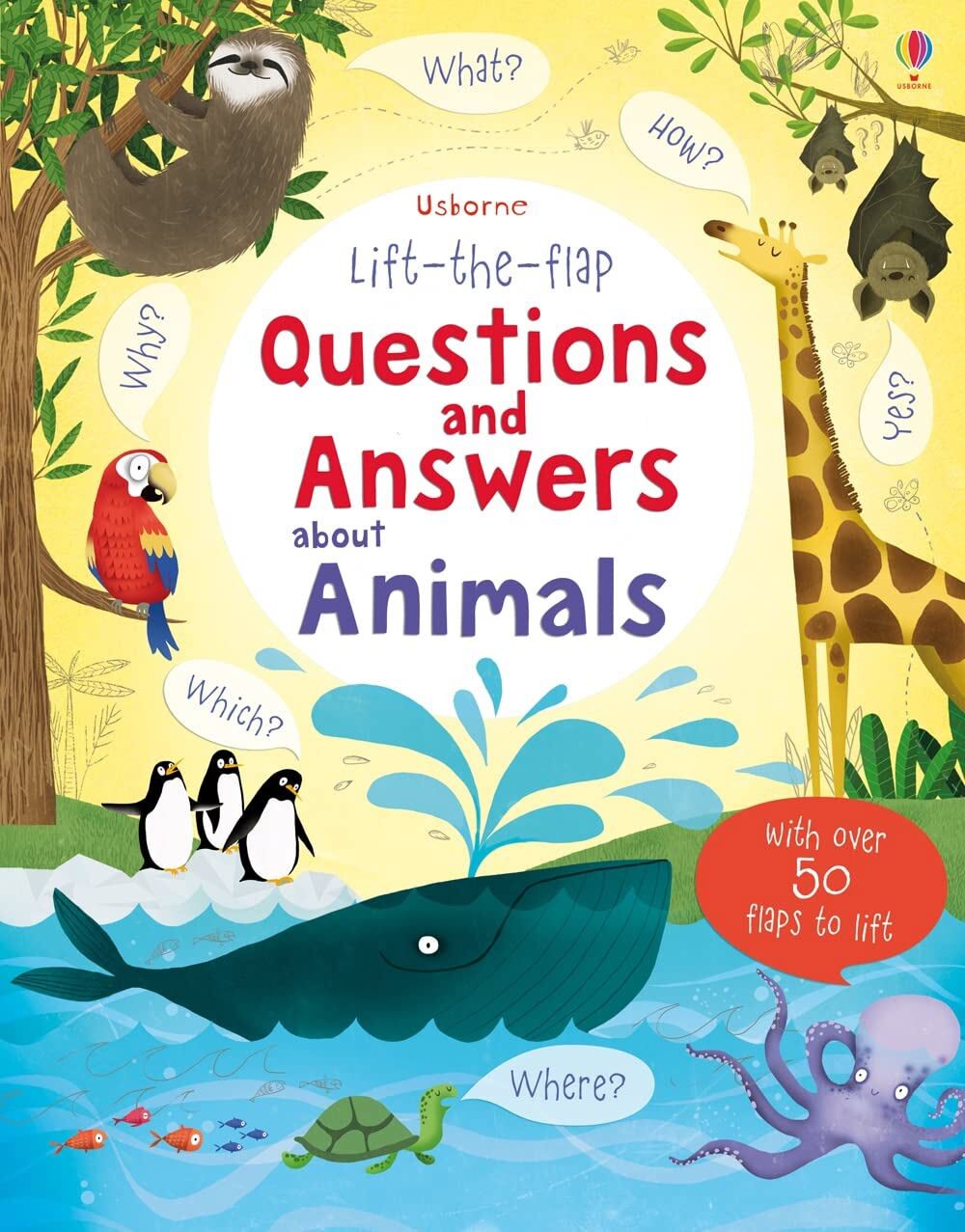
Lift the Flap Questions and Answers about Animals (Usborne Questions and Answers)This delightful book answers all kinds of animal questions that young children might ask, such as "where do fish sleep?", "do elephants have teeth" and "why do frogs jump?" Just lift the flaps to discover what, where, which, how and why! With entertaining illustrations and over 50 flaps to open.4,99 £*Shipping: 1,99 £Secure redirect to the provider


-
Are teachers allowed to ask open-ended questions in exams?
Yes, teachers are allowed to ask open-ended questions in exams. Open-ended questions encourage critical thinking and allow students to demonstrate their understanding in their own words. These types of questions also provide insight into a student's thought process and reasoning abilities. However, it is important for teachers to provide clear guidelines and expectations for how to answer open-ended questions in exams to ensure fairness and consistency in grading. **
-
How can I edit an open-ended question?
To edit an open-ended question, you can start by reviewing the wording and structure of the question to ensure it is clear and concise. Consider if there are any ambiguous terms or if the question could be phrased more effectively. You may also want to think about the specific information you are trying to gather and whether the question is effectively eliciting that information. Finally, consider testing the question with a small group of people to gather feedback and make any necessary adjustments. **
-
What is an open-ended activity in kindergarten?
An open-ended activity in kindergarten is a task or project that does not have a specific end goal or predetermined outcome. It allows children to explore, create, and problem-solve in a way that is not limited by rules or instructions. Examples of open-ended activities in kindergarten may include building with blocks, painting, or engaging in dramatic play. These activities encourage creativity, critical thinking, and independence in young children. **
-
'How do I plan an open-ended activity?'
When planning an open-ended activity, start by identifying the goal or learning objective you want to achieve. Then, choose materials or resources that can be used in multiple ways to encourage creativity and exploration. Consider the age and interests of the participants and provide a variety of options to accommodate different preferences. Finally, allow for flexibility and adaptability during the activity to encourage independent thinking and problem-solving. **
What are many open questions?
Many open questions exist in various fields such as science, philosophy, and technology. Some examples include the nature of dark matter and dark energy in astrophysics, the origins of consciousness in neuroscience, and the ethical implications of artificial intelligence in computer science. These questions continue to challenge researchers and spark curiosity as they seek to uncover new knowledge and understanding. **
What are the ancient open questions?
The ancient open questions refer to fundamental philosophical and scientific inquiries that have puzzled humanity for centuries. These questions revolve around the nature of existence, the origins of the universe, the purpose of life, the existence of free will, and the nature of consciousness. They have been debated by philosophers, theologians, and scientists throughout history, and continue to be subjects of ongoing inquiry and speculation. These questions remain open because they have no definitive answers and continue to challenge our understanding of the world and our place in it. **
Top-Angebote
Products related to Open-ended questions:
-
HUJI Open Ended Easy Slide Hangers Organizers Set of 10High quality open-end hangers set of 10 with foam padding, easy on and off. Fit standard closet rails and maximize your closet space. Slip resistance foam padding also help minimize wrinkles on your outwears.28,05 $*Shipping: 0,00 $Secure redirect to the provider
-
What is better: open-ended questions or surveys?
Open-ended questions and surveys both have their own advantages and disadvantages. Open-ended questions allow for more detailed and nuanced responses, providing deeper insights into the respondent's thoughts and feelings. On the other hand, surveys provide a structured format for gathering specific information from a larger sample size, making it easier to analyze and compare data. Ultimately, the choice between open-ended questions and surveys depends on the specific research goals and the type of information being sought. Both methods can be valuable tools for gathering information, and the best approach will depend on the specific needs of the research project. **
-
What is your opinion on open-ended questions?
I believe open-ended questions are valuable because they encourage deeper thinking and more detailed responses. They allow for a more natural and unrestricted conversation, giving the respondent the opportunity to express their thoughts and feelings in their own words. Open-ended questions also provide the opportunity for the interviewer to gain a better understanding of the respondent's perspective and experiences. Overall, I think open-ended questions are essential for fostering meaningful communication and gaining valuable insights. **
-
Are teachers allowed to ask open-ended questions in exams?
Yes, teachers are allowed to ask open-ended questions in exams. Open-ended questions encourage critical thinking and allow students to demonstrate their understanding in their own words. These types of questions also provide insight into a student's thought process and reasoning abilities. However, it is important for teachers to provide clear guidelines and expectations for how to answer open-ended questions in exams to ensure fairness and consistency in grading. **
-
How can I edit an open-ended question?
To edit an open-ended question, you can start by reviewing the wording and structure of the question to ensure it is clear and concise. Consider if there are any ambiguous terms or if the question could be phrased more effectively. You may also want to think about the specific information you are trying to gather and whether the question is effectively eliciting that information. Finally, consider testing the question with a small group of people to gather feedback and make any necessary adjustments. **
Similar search terms for Open-ended questions
-
Lift the Flap Questions and Answers about Animals (Usborne Questions and Answers)This delightful book answers all kinds of animal questions that young children might ask, such as "where do fish sleep?", "do elephants have teeth" and "why do frogs jump?" Just lift the flaps to discover what, where, which, how and why! With entertaining illustrations and over 50 flaps to open.4,99 £*Shipping: 1,99 £Secure redirect to the provider
-
What is an open-ended activity in kindergarten?
An open-ended activity in kindergarten is a task or project that does not have a specific end goal or predetermined outcome. It allows children to explore, create, and problem-solve in a way that is not limited by rules or instructions. Examples of open-ended activities in kindergarten may include building with blocks, painting, or engaging in dramatic play. These activities encourage creativity, critical thinking, and independence in young children. **
-
'How do I plan an open-ended activity?'
When planning an open-ended activity, start by identifying the goal or learning objective you want to achieve. Then, choose materials or resources that can be used in multiple ways to encourage creativity and exploration. Consider the age and interests of the participants and provide a variety of options to accommodate different preferences. Finally, allow for flexibility and adaptability during the activity to encourage independent thinking and problem-solving. **
-
What are many open questions?
Many open questions exist in various fields such as science, philosophy, and technology. Some examples include the nature of dark matter and dark energy in astrophysics, the origins of consciousness in neuroscience, and the ethical implications of artificial intelligence in computer science. These questions continue to challenge researchers and spark curiosity as they seek to uncover new knowledge and understanding. **
-
What are the ancient open questions?
The ancient open questions refer to fundamental philosophical and scientific inquiries that have puzzled humanity for centuries. These questions revolve around the nature of existence, the origins of the universe, the purpose of life, the existence of free will, and the nature of consciousness. They have been debated by philosophers, theologians, and scientists throughout history, and continue to be subjects of ongoing inquiry and speculation. These questions remain open because they have no definitive answers and continue to challenge our understanding of the world and our place in it. **
* All prices are inclusive of VAT and, if applicable, plus shipping costs. The offer information is based on the details provided by the respective shop and is updated through automated processes. Real-time updates do not occur, so deviations can occur in individual cases. ** Note: Parts of this content were created by AI.